Connecting the Community for Maternal Health Challenge: Research Capacity Building in Maternity Care Deserts (CCMH 2.0)
Connecting the Community for Maternal Health Challenge: Research Capacity Building in Maternity Care Deserts (CCMH 2.0)
U.S. Nonprofits and tribes building research capacity in maternity care deserts.
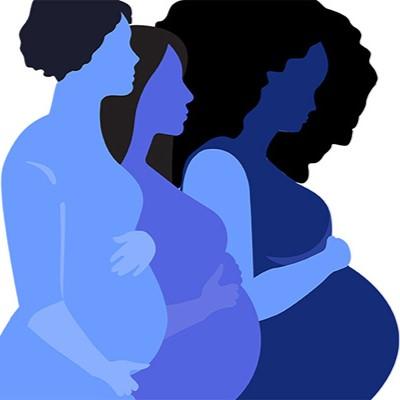
This challenge will have a special emphasis on US Maternity Care Deserts and build upon the success of the original CCMH to encourage and reward non-profit community-based organizations, advocacy organizations, and state or federally recognized Tribes to develop research capabilities and infrastructure to pursue research projects in maternal health, particularly of maternal morbidity and mortality.
Training Phase 10/??/26 - 12/??/26
Total cash prizes: $3,100,000
Description
Subject of the Challenge
In 2024, 649 women died of maternal causes in the United States. This resulted in a maternal mortality rate of 17.9 deaths per 100,000 live births1. This maternal mortality rate is high relative to U.S. peer nations2. There are over 5.5 million women in the United States that live in areas with no or limited access to obstetric care or providers. A 2024 March of Dimes report3 indicates that over 35% of counties in the United States are considered maternity care deserts, counties where there are no hospitals or birth centers that offer obstetric care and no obstetric providers. These numbers will likely increase because of hospital closures or the limiting of obstetric services (e.g., closing obstetric units in rural hospitals)4. While factors such as age, pre-existing conditions, and lifestyle factors impact maternal mortality rates, barriers to high quality care and geographic location are also contributors to the elevated rates of maternal morbidity and mortality in the United States. US maternal mortality rates in rural areas are as much as 65% higher than those in urban areas. Variability in the risk of death by geographic location might reflect overall health conditions and access to appropriate care5. Correcting these core risk factors for women involves not only cutting-edge research approaches to prevention, diagnosis, and treatment, but also the inclusion of community members to ensure the research represents their needs and includes their conceptualizations of health, expertise, and research principles, effectively centering their needs and collective benefit. Further, the death of a mother not only results in the loss of the mother, but it also impacts the family, the community, and society at large. To help achieve the goals of reducing the number of preventable maternal deaths and adverse maternal health outcomes, it is important to include the community in the research process. The inclusion of community in this context is extended to social support which can be fathers, extended family, and similar.
There are multiple barriers for community organizations to fully participate in the biomedical research enterprise. These can include notices of funding opportunities that are written with a university setting as context and the lack of a community voice in the developmental stages of research opportunities. A notable barrier to greater involvement is the lack of research infrastructure in the very community organizations that can best lead or partner with the larger research ecosystem to inform the work. Community organizations often do not have (or have a limited number of) researchers, administrators, and staff that are accustomed to the research funding process, or some may not have the enhanced infrastructure or capability to effectively partner and sustain research programs6. Consequently, this barrier to full participation in the research enterprise makes these groups more reliant on academic partners which often introduce a power differential when shaping the research agenda. Community organizations understand their members and environment which make them uniquely suited not only to inform and enhance the design of biomedical research, but to lead it as well.
In 2019, the National Institutes of Health (NIH) launched the Implementing a Maternal health and Pregnancy Outcomes Vision for Everyone, or IMPROVE, initiative. The initiative supports research focused on reducing preventable causes of maternal deaths and improving health for women before, during, and after delivery. NIH recognizes that to engage women, families, and communities that experience adverse maternal health outcomes, engagement and partnership within those communities and the organizations that serve them needs to be central to understand the key concerns of these individuals and to formulate research that is culturally informed. NIH is committed to the removal of barriers to full participation in the research enterprise.
1Hoyert DL. Maternal mortality rates in the United States, 2024. NCHS Health E-Stats. 2026 Mar;(113):1–7. DOI: https://dx.doi.org/10.15620/cdc/174651
2https://www.commonwealthfund.org/publications/issue-briefs/2024/jun/insights-us-maternal-mortality-crisis-international-comparison
3 https://www.marchofdimes.org/maternity-care-deserts-report
4 https://jamanetwork.com/journals/jama/fullarticle/2827543
5https://www.cdc.gov/maternal-mortality/php/pregnancy-mortality-surveillance-data
6Alison G. M. Brown et al. “Listening Sessions to Shape the Innovative NIH ComPASS Common Fund Program to Advance Health Equity”, American Journal of Public Health 114, no. 7 (July 1, 2024): pp. 685-689. https://ajph.aphapublications.org/doi/full/10.2105/AJPH.2024.307656
Challenge Objective
Through the IMPROVE initiative, in 2022 NIH launched the Connecting the Community for Maternal Health Challenge (CCMH) which awarded prizes to U.S.-based non-academic, 501(c)(3) organizations for building research infrastructure and conducting research projects. This current Connecting the Community for Maternal Health Challenge: Research Capacity Building in Maternity Care Deserts (CCMH 2.0) will have a special emphasis on US Maternity Care Deserts and build upon the success of the original CCMH to encourage and reward non-profit community-based organizations, advocacy organizations, and state or federally recognized Tribes to develop research capabilities and infrastructure to pursue research projects in maternal health, particularly of maternal morbidity and mortality. CCMH 2.0 also seeks to include organizations that plan to conduct research on the father’s role or influence on maternal health and health outcomes. Through this Challenge, NIH will aim to address the barriers faced by community organizations, Tribes, and advocacy organizations, particularly those operating in maternity care deserts, in conducting maternal health research by incentivizing and rewarding them to build effective research infrastructure and capacity. This Challenge will empower state or federally recognized Tribes and registered 501(c)(3) (non-profit) organizations in the United States (such as advocacy, local community, and faith-based organizations that work with pregnant and postpartum women, fathers, and families). Organizations will have the opportunity to acquire skills and abilities to more effectively lead or become partners in, and contribute to, future NIH-funded or other Department of Health and Human Services (HHS) agencies’ maternal health research activities in areas that specifically impact their communities.
The multi-phase challenge will be open to non-academic, 501(c)(3) organizations and state or federally recognized Tribes based in the United States, including advocacy, community, and faith-based organizations. The challenge will allow but not require a partnership with an academic medical center or university.
Challenge Structure and Overview
Connecting the Community for Maternal Health Accelerator Approach
Recruitment Phase
The Recruitment Phase is 6 weeks long and is open to all community-based or advocacy organizations and Tribes that meet the eligibility criteria stated below in the Rules section of this announcement. Informational webinars during this period will introduce the challenge sponsors at NICHD, provide general guidance on proposal submission, and share the opportunities that participation in this challenge will provide. There will be question and answer sessions at the end of every webinar. We recognize that many organizations may be unfamiliar with the process of working with the NIH and with developing and articulating their research ideas. Introductory materials will be provided during the Recruitment Phase to orient them to the research process and to the Challenge process.
At the end of the Recruitment Phase, organizations that are interested in continuing in this Challenge will be asked to complete a very short Training Phase Entry Application to participate in the Training Phase. Organizations do not need to participate in the Recruitment Phase to submit a Training Phase Entry Application. Training Phase Entry Applications will be evaluated based on the Training Phase Entry Application Evaluation Criteria stated below. Up to 50 organizations will be accepted to participate in the Training Phase.
Training Phase
Up to 50 Training Phase participants will receive deeper and more customized training for six weeks. Training services will include online training and other forms of educational guidance to help organizations create a complete and competitive Training Phase Final Submission that organizations must complete to be considered for participation in the Proposal Phase of the competition. The Training Phase participants will have access to training webinars, join weekly workshops, and receive feedback on one draft of their Training Phase Final Submission.
The Training Phase Final Submission will consist of a brief, one-page proposal describing their organization and the research idea they wish to implement if selected to participate in the later phases of the challenge. Research ideas must be relevant to maternal health, address community-identified needs, and specifically align with the objectives of the IMPROVE initiative (see specific requirements in evaluation/judging criteria below). Only organizations that participated in the Training Phase can submit a proposal to advance to the next phase of the Challenge, the Proposal Phase. Up to 20 organizations will be selected to advance to the Proposal Phase of the challenge based upon the Training Phase Final Submission Judging Criteria described below. Each of the 20 advancing organizations will receive a $10,000 award.
Proposal Phase
In this third phase, each of the 20 participating organizations selected to advance from the Training Phase will develop a comprehensive research proposal over the course of 10 weeks. Each organization will be custom matched with a mentor and will be invited to participate in regular workshops and webinars on relevant topics. Interactions with mentor(s) and one another will help each organization develop a fully realized research proposal that is well-aligned with the objectives of the IMPROVE initiative. For many non-profit organizations with limited resources, this kind of sustained effort is extremely difficult to undertake. The $10,000 prizes awarded in the Training Phase could be used to help support their continued participation in this phase. Up to 10 organizations will be selected to advance to the Research Phase based on the Proposal Phase Judging Criteria and will receive a $150,000 award that could be used to stand up their research infrastructures and pursue their proposed research activities.
Research Phase
In this fourth and final phase, the 10 organizations selected to advance from the Proposal Phase will have approximately 18 months to implement their project plans, conduct the proposed research, and report results. During this phase, each organization will continue to meet regularly with their respective mentors for specific advice and guidance, and all finalists will also be invited to participate in workshops and webinars to hear from different subject matter experts on topics related to maternal health and more broadly towards sustaining their research activities. For the Research Phase, services of an Institutional Review Board will be provided if needed. At the end of this phase, each organization will present in a research showcase and later submit a report that summarizes their activities, research findings, and conclusions. This report will also include a project plan outlining the next steps resulting from the initial findings and a proposed supporting budget. Organizations that are judged to have met the minimum criteria and satisfactorily provided the required information in their final research report will be eligible to receive one of up to eight 3rd Place prizes of $100,000 each. Those organizations who are judged to have exceeded the minimum criteria and demonstrated successful completion of their proposed research projects will be considered for the 1st Place prize of $350,000 and the 2nd Place prize of $250,000. Any prize purse funds that remain un-awarded following the completion of the Research Phase may be added to each of the prize amounts awarded to the winners of the Research Phase. The 1st Place, 2nd Place, and up to eight 3rd Place prizes will be awarded based on several factors, including reported outcomes from this phase and performance during the Research Phase. Those specific factors will be announced at the conclusion of the Proposal Phase and prior to the start of the Research Phase.
Partners
The Eunice Kennedy Shriver National Institute of Child Health and Human Development (NICHD), the National Institute of Nursing Research (NINR), NIH Office of Research on Women’s Health (ORWH), and the NIH Office of Behavioral and Social Sciences Research (OBSSR), through the IMPROVE initiative, are co-sponsoring this Challenge. Additional challenge partners or co-sponsors within or outside of the Federal government may be identified to better achieve program goals.
Statutory Authority to Conduct the Challenge
NICHD is conducting this Challenge under the America Creating Opportunities to Meaningfully Promote Excellence in Technology, Education, and Science (COMPETES) Reauthorization Act of 2010, as amended [15 U.S.C. § 3719]. Founded in 1962, the general purpose of NICHD is the conduct and support of research, training, health information dissemination, and other programs with respect to gynecologic health, maternal health, child health, intellectual disabilities, human growth and development, including prenatal development, population research, and special health problems and requirements of mothers and children [42 U.S.C. § 285g]. The Institute’s mission includes improving reproductive health, enhancing the lives of children and adolescents, and optimizing abilities for all, and its vision is “Healthy pregnancies. Healthy children. Healthy and optimal lives.” This challenge aligns with NICHD’s statutory authority and promotes its mission and vision to help ensure every person has a healthy pregnancy and improve overall maternal health outcomes. NICHD and its partners are conducting this Challenge as part of the congressionally mandated NIH IMPROVE initiative which supports research focused on reducing preventable causes of maternal deaths and improving health for women before, during, and after delivery.
Timeline (estimated)
- Challenge Launch: August 12, 2026
- Registration and Submission Portal Opens: August 12, 2026
- Recruitment Phase: August 2026– September 2026
- Training Phase: October 2026 – December 2026
- Proposal Phase: January 2027 – March 2027
- Research Phase: May 2027 – November 2028
- Winners Announced: December 2028 (Anticipated)
Prizes
The total prize purse for the Connecting Community for Maternal Health Challenge is $3,100,000. Prizes will be awarded across the multiple phases of this challenge as described in the table below. In addition to cash prizes, participating organizations in this challenge will be provided with substantial education, training, and mentoring opportunities.
|
Phase |
# of Participants |
# of Awards |
Award Amounts |
Total |
|---|---|---|---|---|
|
Recruitment |
Unlimited |
N/A |
N/A |
N/A |
|
Training |
Up to 50 |
Up to 20 |
$10,000 |
Up to $200,000 |
|
Proposal |
Up to 20 |
Up to 10 |
$150,000 |
Up to $1,500,000 |
|
Research |
Up to 10 |
Up to 10 winners share $1.4M* |
$1,400,000 |
|
|
Total Prize Purse |
$3,100,000 |
|||
*Amounts will be awarded based on several factors, including reported outcomes from this phase and performance during the Research Phase. Amounts will range between a 1st Place prize of $350,000, a 2nd Place prize of $250,000, and up to eight 3rd Place prizes of $100,000. Prize amounts may increase if there are prize purse dollars that were not awarded during previous phases of this Challenge.
Award Approving Official: The Award Approving Official will be the NICHD Director, or delegate specified by the NICHD Director.
Payment of the Prize: Prizes awarded under this Challenge will be paid by electronic funds transfer and may be subject to Federal income taxes. HHS/NIH will comply with the Internal Revenue Service withholding and reporting requirements, where applicable. All organizations participating in this Challenge are encouraged, but not required, to request and obtain a free Unique Entity ID, if they have not already done so, via SAM.gov as this will expedite prize payment. Additional information can be found at https://sam.gov/content/entity-registration .
NIH reserves the right, in its sole discretion, to (a) cancel, suspend, or modify the Challenge, or any part of it, for any reason, and/or (b) not award any prizes if no submissions are deemed worthy.
Rules
Participation in the CCMH 2.0 is open to organizations that qualify for tax-exempt status under Section 501(c)(3) of the Internal Revenue Code1 or are state or federally recognized Tribes, have a primary place of business in the United States, are not institutions of higher learning2, and (at the time of submission) are not listed as the primary awardee on a NIH grant, cooperative agreement, or contract award. Examples of eligible organizations include but are not limited to federal or state recognized Tribes, advocacy, local community, faith-based, and other similar groups with a demonstrated interest in conducting maternal health research. Eligible organizations may choose to partner with other groups, but the lead organization submitting to this challenge must meet the criteria stated below. Organizations listed as the secondary or sub-awardee on a NIH grant, cooperative agreement, or contract are eligible to compete. Participating organizations may add or change partners as they successfully advance through the different phases of the challenge, so long all eligibility criteria and participation rules continue to be met.
1For additional information, see the Internal Revenue Service website at https://www.irs.gov/charities-non-profits/exempt-organization-types.
2For the purposes of this challenge, an “institution of higher learning” means a “college, university, or similar institution, including a technical or business school, offering postsecondary level academic instruction that leads to an associate or higher degree if the school is empowered by the appropriate State education authority under State law to grant an associate or higher degree. When there is no State law to authorize the granting of a degree, the school may be recognized as an institution of higher learning if it is accredited for degree programs by a recognized accrediting agency. Such term shall also include a hospital offering educational programs at the postsecondary level without regard to whether the hospital grants a postsecondary degree. Such term shall also include an educational institution which is not located in a State, which offers a course leading to a standard college degree, or the equivalent, and which is recognized as such by the secretary of education (or comparable official) of the country or other jurisdiction in which the institution is located.” [38 USC § 3452(f)]
Eligibility Rules
- To be eligible to win a prize under this Challenge, a Participant Organization—
- Shall have registered to participate in the Challenge under the rules promulgated by the National Institutes of Health (NIH) as published in this announcement.
- Shall have complied with all the requirements set forth in this announcement;
- Shall be incorporated in and maintain a primary place of business in the United States;
- Shall be a registered tax-exempt organization and meet the criteria as defined under Section 501(c)(3) of the U.S. Internal Revenue Code and/or a state or federally recognized Tribe;
- Shall not be an institution of higher learning as defined at 38 USC § 3452(f);
- Shall not, at the time of submission, be listed as the primary awardee on an active grant, cooperative agreement, or contract award issued by the National Institutes of Health;
- Shall not be a federal entity or federal employee acting within the scope of their employment;
- Shall not be an employee of the Department of Health and Human Services (HHS, or any other component of HHS) acting in their personal capacity;
- Who is employed by a federal agency or entity other than HHS (or any component of HHS), should consult with an agency ethics official to determine whether the federal ethics rules will limit or prohibit the acceptance of a prize under this Challenge;
- Shall not be a judge of the Challenge, or any other party involved with the design, production, execution, or distribution of the Challenge or the immediate family of such a party (i.e., spouse, parent, step-parent, child, or step-child).
- In the case of any individuals participating on behalf of a Participant Organization, they shall be 18 years of age or older at the time of submission.
Participation Rules
- A Participant Organization may not use federal funds from a grant award or cooperative agreement to develop their Challenge submissions or to fund efforts in support of their Challenge submissions.
- Federal contractors may not use federal funds from a contract to develop their Challenge submissions or to fund efforts in support of their Challenge submissions.
- By participating in this Challenge, each Participant Organization agrees to assume any and all risks and waive claims against the federal government and its related entities, except in the case of willful misconduct, for any injury, death, damage, or loss of property, revenue, or profits, whether direct, indirect, or consequential, arising from participation in this Challenge, whether the injury, death, damage, or loss arises through negligence or otherwise.
- Based on the subject matter of the Challenge, the type of work that it will possibly require, as well as an analysis of the likelihood of any claims for death, bodily injury, property damage, or loss potentially resulting from Challenge participation, no Participant Organization participating in the Challenge is required to obtain liability insurance, or demonstrate financial responsibility in order to participate in this Challenge, or agree to indemnify the federal government against third party claims for damages arising from or related to Challenge activities in order to participate in this Challenge.
- A Participant Organization shall not be deemed ineligible because the Participant Organization used federal facilities or consulted with federal employees during the Challenge if the facilities and employees are made available to all Participant Organizations participating in the Challenge on an equitable basis.
- By participating in this Challenge, each Participant Organization warrants that they are sole author or owner of, or has the right to use, any copyrightable works that the submission comprises, that the works are wholly original with the Participant Organization (or is an improved version of an existing work that the Participant Organization has sufficient rights to use and improve), and that the submission does not infringe any copyright or any other rights of any third party of which the Participant Organization is aware.
- By participating in this Challenge, each Participant Organization grants to the NIH an irrevocable, paid-up, royalty-free nonexclusive worldwide license to reproduce, publish, post, link to, share, and display publicly the submission on the web or elsewhere, and a nonexclusive, nontransferable, irrevocable, paid-up license to practice, or have practiced for or on its behalf, the solution throughout the world. Each Participant Organization will retain all other intellectual property rights in their submissions, as applicable. To participate in the Challenge, each Participant Organization must warrant that there are no legal obstacles to providing the above-referenced nonexclusive licenses of the Participant Organization’s rights to the federal government. To receive an award, Participant Organizations will not be required to transfer their intellectual property rights to NIH, but Participant Organizations must grant to the federal government the nonexclusive licenses recited herein.
- Each Participant Organization agrees to follow all applicable federal, state, and local laws, regulations, and policies.
- Each Participant Organization participating in this Challenge must comply with all terms and conditions of these rules, and participation in this Challenge constitutes each such Participant Organization’s full and unconditional agreement to abide by these rules. Winning is contingent upon fulfilling all requirements herein.
- As a condition for winning a cash prize in this Challenge, each Participant Organization that has been selected as a winner must complete and submit all requested winner verification and payment documents to NIH within 10 business days of formal notification. Failure to return all required verification documents by the date specified in the notification may be a basis for disqualification of a cash prize winning submission.
Judging Criteria
Basis Upon Which a Winner Will be Selected.
Submissions will be evaluated based upon the following Judging Criteria across each phase of the challenge:
Training Phase Entry Application Evaluation Criteria
|
Section |
Description |
Weight |
|---|---|---|
|
Eligibility |
This organization meets Challenge Eligibility Criteria |
Y/N |
|
Organization |
The organization is likely to use the learning acquired from this challenge and the mentoring support to help them be successful in future endeavors to decrease maternal morbidity and mortality in maternity care deserts and/or areas with barriers to care. |
65% |
|
Motivation |
The organization’s potential to continue this work or other similar efforts that lead to reducing maternal morbidity and mortality because of this experience. They have some experience in running projects or initiatives. |
25% |
|
Research idea |
The research project proposed is:
|
10% |
Training Phase Final Submission Judging Criteria
|
Section |
Description |
Weight |
|---|---|---|
|
Organization |
The organization is likely to use the learning acquired from this challenge and mentoring support to help them be successful in future endeavors. The organization has sufficient relevant experience in running projects or initiatives, and their mission is aligned with the challenge’s goal of reducing the gap between the overall US maternal morbidity and mortality rates in maternity care deserts and/or areas with barriers to care. |
40% |
|
Motivation |
The organization is likely to continue this work or other similar efforts related to reducing maternal morbidity and mortality in the United States because of this experience. |
20% |
|
Research idea |
The research project proposed is:
|
40%
|
Proposal Phase Judging Criteria
|
Section |
Description |
Weight |
||
|---|---|---|---|---|
|
Research |
Quality |
The research idea is novel, feasible, and relevant. It is presented in a manner that is clear, concise, and compelling. |
20 |
80 |
|
Rationale |
The underlying rationale for the proposed research and research capacity building is clearly communicated and supported with evidence or reasoning. |
20 |
||
|
Activities |
The proposed research and research capacity building activities are feasible, well-thought out, and aligned with the presented timeline, budget, and resource sections. |
10 |
||
|
Outcomes and impact |
The likely outcomes and possible impact of this work may address maternal morbidity and mortality rates in maternity care deserts and/or areas with barriers to care and is aligned with IMPROVE objectives. |
10 |
||
|
Risk |
Key risks are identified, and mitigation strategies are provided. |
10 |
||
|
Expertise and resources |
The proposal demonstrates a clear understanding of the resources needed to successfully execute the proposed research and research capacity building. A plan is provided for how the team plans to acquire all needed assets. |
10 |
||
|
Project plan |
Timeline |
The proposed timeline is realistic and fits within the Research Phase period. |
10 |
20 |
|
Budget |
The proposed budget is realistic and well-aligned with the expertise and resource section. |
10 |
||
Research Phase Judging Criteria
At the end of the Research Phase each organization will submit a report that summarizes their activities, research findings, conclusions, and developments in their research capacity. This report will also include a project plan outlining next steps resulting from the initial findings and a supporting budget. Specific evaluation criteria for the research report submission will be announced at the conclusion of the Proposal Phase and prior to the start of the Research Phase. In general, these reports are anticipated to be evaluated based on the following categories of criteria:
- Activities performed
- Results reported
- Analysis of results and conclusions drawn from analysis
- Lessons learned
- Proposed next steps
- Project plan and budget to support proposed next steps
How to Enter
Registration and Submission Process
Registration Process: The Challenge registration process is administered by herox.com, a challenge platform and management provider under contract with NASA on behalf of NIH. All interested organizations must register on the official challenge portal by going to herox.com/CommunityMaternalHealth2.0 by the given deadline and meet the eligibility requirements as stated in the Rules section of this announcement to participate in the Challenge.
Submission Requirements
Training Phase Entry Application Form
After completing the registration step via the online portal, organizations will then need to respond to a series of specific prompts as part of the Training Phase Entry Application Form. In brief, organizations will be asked to provide:
|
Section |
Description |
|---|---|
|
Eligibility confirmation |
My organization meets the eligibility criteria as stated in the Rules section of the official challenge announcement. |
|
Demographic Information |
3-4 multiple choice questions to collect voluntary demographic information about potential applicants |
|
Desired Cohort Goals |
3-4 multiple choice/short answer questions to collect data points to identify educational gaps and customize wraparound round support in the Cohort (desired education, organizational objectives and goals, research background, how they learned of the Challenge, etc.) |
|
Organization description |
Briefly describe your organization, including the community it serves, its objectives, any other relevant projects (if applicable) and its size. |
|
Motivation |
Concisely explain why you are participating in this challenge and what you hope to achieve as a result. |
|
Research idea |
Give a high-level description of what your research idea is and how it is relevant to improving maternal health. |
Training Phase Final Submission Form
|
Section |
Description |
|---|---|
|
Eligibility confirmation |
My organization meets the eligibility criteria as stated in the Rules section of the official challenge announcement. |
|
Organization description |
Briefly describe your organization:
|
|
Motivation |
Concisely explain why you are participating in this challenge and what you hope to achieve as a result. |
|
Research idea |
Give a high-level description of your research idea, how it is relevant to improving maternal health, implementation considerations, and research capacity needs. |
Proposal Phase Submission Form
|
Section |
Description |
|
|---|---|---|
|
Research Proposal 80% |
Overview |
Briefly describe your proposed research and your planned activities. |
|
Research background and rationale |
Please provide a detailed description of your proposed research, including:
|
|
|
Activities |
Please discuss the specific activities you plan to undertake during the Research Phase. |
|
|
Relevance |
Please discuss how your proposed research is aligned with IMPROVE initiative objectives. |
|
|
Outcomes and impact |
Please discuss the possible outcomes and anticipated impact of this work, including:
|
|
|
Risks and blockers |
Please identify the key risks and potential blockers to your research plan. For each risk or blocker identified, provide a mitigation strategy. |
|
|
Expertise and resources |
Please describe the expertise and resources needed to successfully execute your proposed research. Identify gaps. Additionally, describe how you will acquire these assets and fill gaps:
|
|
|
Bibliography and references |
Provide a list of cited references |
|
|
Project plan 20% |
Timeline |
Please provide a timeline for how the Research Phase period will be allocated. The timeline should be accompanied by a list of milestones and activities that lead to each milestone. |
|
Budget |
Please provide a budget to support your proposed research. This budget should be aligned with the things you mention in the expertise and resources section below. |
|
Additional Information
Supplementary Information:
For Further Information Contact:
All interested parties are encouraged to first review the information provided on the Frequently Asked Questions page at herox.com/CommunityMaternalHealth2.0. Anyone requesting additional information about the Challenge should send an email to: [email protected]
This page last reviewed on