Depression may stall development of new neurons
September 15, 2026
Depression may stall development of new neurons
At a Glance
- Researchers found that a part of the brain important for memory struggles to make new neurons in people with depression.
- The study sheds light on how the brain is altered in depression and suggests new treatment targets.
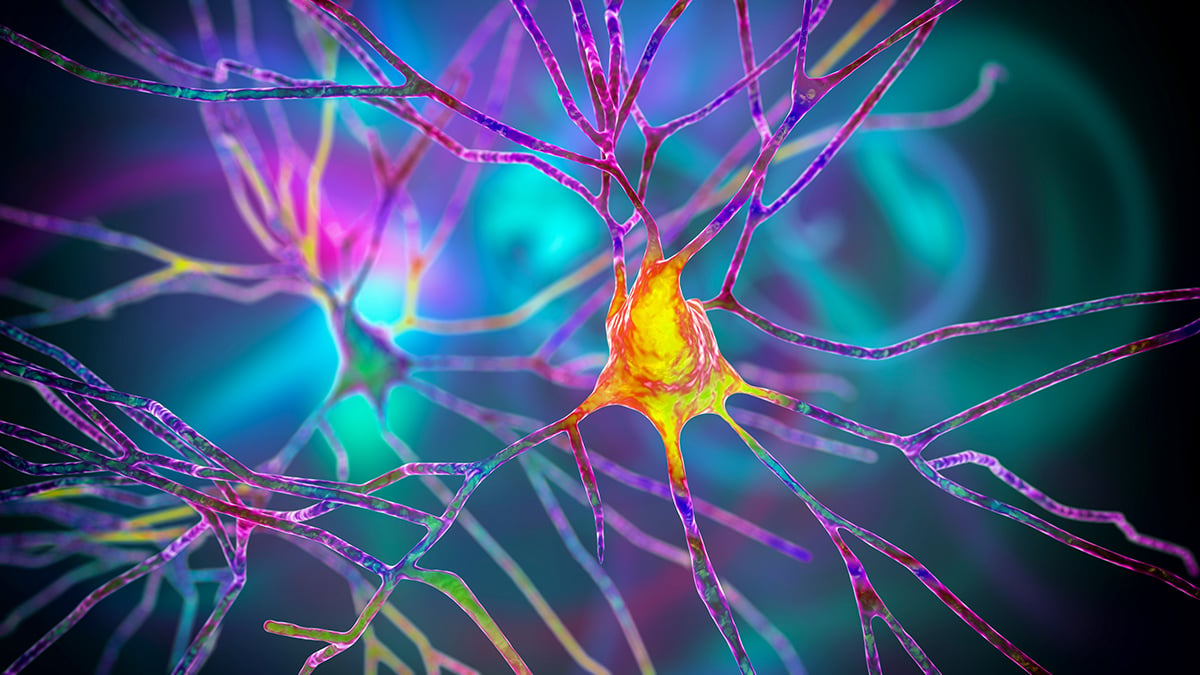
Depression is one of the most common mental health conditions in the United States. People with depression tend to focus more on negative memories and information. Because of this, some depression researchers study a brain structure important for memory called the hippocampus.
Growing evidence suggests the hippocampus is one of a few brain regions that produces new neurons throughout life. This process is called neurogenesis. It remains unclear how neurogenesis changes in people with depression.
A team of NIH-funded researchers led by Dr. Maura Dupont of Columbia University examined how neurogenesis differs in people with depression. The study was published in Nature Medicine on August 21, 2026.
The researchers analyzed hippocampus tissue from 19 deceased donors without depression and 11 with depression. None of them were taking antidepressant medications in the three months before they died. This makes it less likely that differences in neurogenesis were caused by medications.
The researchers examined half a million hippocampal cells altogether. Then they grouped the cells based on their genes’ activity to map the cellular players involved in forming new neurons. One group of cells had gene activity that looked like that of neural stem cells, which can develop into neurons and other types of brain cells. Gene activity in other cells suggested they were in an intermediate stage on the way to becoming mature neurons.
The brain tissue from people with depression contained more neural stem cells and fewer intermediate cells than tissue from people without depression. This suggests that in depression, something hinders the transition from neural stem cells to the intermediate state. Despite that, the number of neurons was similar between the groups, suggesting the proportion of new neurons is small compared with the total number of neurons.
Beyond cell numbers, genes and gene activity were different in brain cells from people with depression. These included genes involved in the immune system and cells’ response to stress. A few of the genes were previously linked to depression. Others were linked to Alzheimer’s disease and inflammatory diseases like lupus and long COVID. These can cause depression-like and cognitive symptoms.
Gene activity in mature neurons also differed in people with depression. Some of these genes affect how the brain transmits information and creates new connections between neurons. Those differences might reduce how much the hippocampus can rewire itself in response to someone’s experiences. This rewiring is essential for learning and memory formation.
These findings reinforce that neural stem cells in the hippocampus turn into new neurons in adults. They also suggest that disruptions to this process may contribute to depression. But more research is needed to determine if this link is causal.
“Without the ability to create new neurons, people with depression may not have the resilience to effectively adapt to the environment,” Dupont says.
The molecular atlas produced from the study may help to classify depression based on cellular and molecular features. This could lead to more precise and effective treatments.
Dupont adds: “Turning neurogenesis back on may be a way to treat depression in some people by rewiring their hippocampus circuit.”
— by Brandon Levy
Related Links
- Depression screening using video games
- SuperAgers show unique cell signatures in the brain
- Mapping a brain network involved in depression
- Treating depression
- Relieving treatment-resistant depression in older adults
- Biomarker tracks recovery from depression
- When sadness lingers
- Depression
- National Helpline for Mental Health, Drug, Alcohol Issues (SAMHSA)
References
Dysregulated adult hippocampal neurogenesis in major depressive disorder. Peng MS, Jiang J, Polizzi L, Shi T, Ramkumar R, Anosike VO, Guasoni G, Wamalwa AM, Mariani MB, Sissoko CA, Tartt AN, Fulmore C, Rosoklija GB, Huang YY, Arango V, McDonald ST, Bitoljanu N, Mann JJ, Nguyen PT, Dwork AJ, Brown LM, Hen R, Galfalvy H, Dupont MB. Nat Med. 2026 Aug 21. doi: 10.1038/s41591-026-04571-8. Epub ahead of print. PMID: 42629468.
Funding
NIH’s National Institute on Aging (NIA), National Institute of Mental Health (NIMH), and National Cancer Institute (NCI); Bill Herrlinger Research Foundation.