One dose of HPV vaccine as effective as two
January 13, 2026
One dose of HPV vaccine as effective as two
At a Glance
- A single dose of human papillomavirus (HPV) vaccine provided protection comparable to the current standard of two doses.
- The findings suggest that single-dose vaccine regimens could effectively prevent HPV and the cancers it causes, most notably cervical cancer.
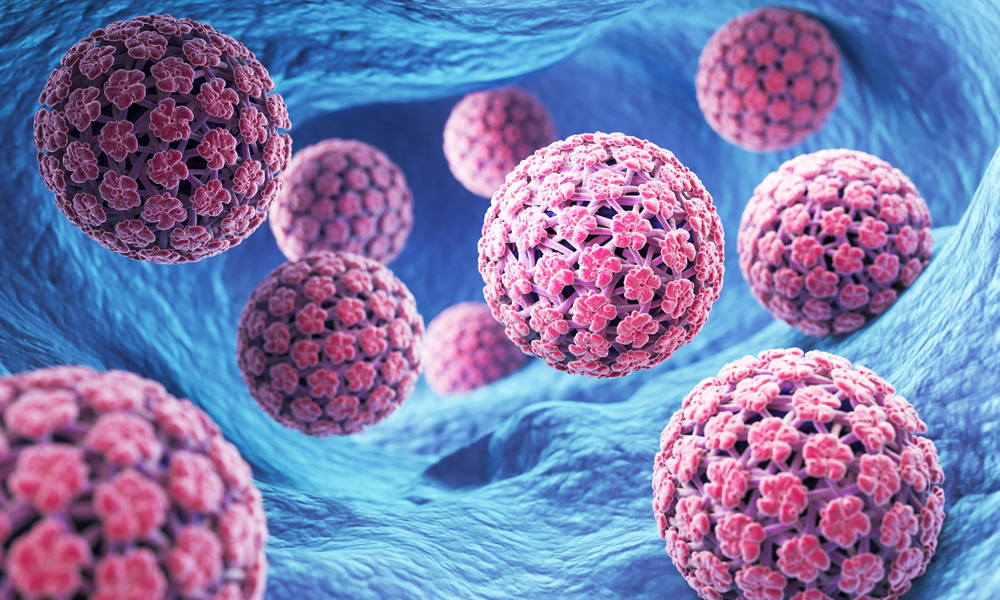
HPV is the most common sexually transmitted infection in the United States. Infections with cancer-causing types of HPV can cause cervical cancer, which kills 250,000 women worldwide every year. The virus can cause other cancers, such as oropharyngeal cancer (cancer of the back of the throat, including the base of the tongue and tonsils) and cancers of the vulva, vagina, penis, and anus. Some other types of HPV can cause genital warts.
Vaccination against HPV could prevent many of these cancers. But globally, access to the vaccine remains limited. Fewer than 30% of adolescent girls worldwide have been vaccinated. The standard HPV vaccine regimen for adolescents consists of two doses. Yet emerging evidence has suggested that a single dose can provide sufficient protection. A single-dose regimen would be easier for people to get and since 2022 has been recommended by the World Health Organization when two doses aren’t practical. Until now, no study had directly assessed whether a single-dose regimen would provide protection comparable to that of two doses.
An NIH-funded clinical trial, led by Dr. Aimée Kreimer at NIH’s National Cancer Institute and Dr. Carolina Porras at the Agencia Costarricense de Investigaciones Biomédicas, compared a single HPV vaccine dose to two doses. The trial included more than 20,000 girls ages 12 to 16 in Costa Rica. The girls were enrolled between November 2017 and February 2020. The researchers also surveyed more than 3,000 unvaccinated women and girls to estimate the prevalence of HPV among the unvaccinated. Results appeared in the New England Journal of Medicine on December 3, 2025.
Participants were randomly assigned to receive one dose of either of two HPV vaccines, both of which have been in use for 20 years. A “bivalent” vaccine targeted two HPV types, HPV16 and HPV18, that account for more than 77% of cervical cancers worldwide. A “nonavalent” vaccine targeted these two plus five other types that cause cancer and two that cause genital warts. Six months after the first dose, half of the participants received a second dose of the same vaccine. The other half instead received a vaccine against tetanus, diphtheria, and pertussis as a control. Girls 15 and older were then tested for new HPV infections every 6 months for five years.
For both vaccines, one dose provided protection against persistent cervical HPV infections. This protection was statistically no worse than that provided by two doses. Persistent infections were defined as those that lasted for at least 6 months, or two consecutive follow-up visits. By comparing the rates of infection in the survey and the trial groups, the research team estimated how effective each vaccine-dose combination was. In all cases, the vaccines were at least 97% effective in preventing persistent HPV16 and 18 infections.
“The findings suggest that a single dose of either HPV vaccine will provide adequate protection against HPV infection and subsequent cervical cancers as effectively as two doses,” Kreimer says.
—by Brian Doctrow, Ph.D.
Related Links
- Researchers describe cancer trends in people under 50
- Prevention and screening drive drop in cancer deaths
- Genomic analysis of 33 cancer types completed
- Protecting against HPV: Common viruses can lead to cancer
- Human papillomavirus (HPV) vaccines
- Human papillomavirus (HHS)
- HPV vaccination (CDC)
References
Noninferiority of One HPV Vaccine Dose to Two Doses. Kreimer AR, Porras C, Liu D, Hildesheim A, Carvajal LJ, Ocampo R, Romero B, Gail MH, Cortes B, Sierra MS, Coronado K, Sampson J, Coto C, Dagnall CL, Mora D, Kemp TJ, Zuniga M, Pinto LA, Barrientos G, Schussler J, Estrada Y, Montero C, Avila C, Ruggieri D, Cyr JT, Chanock S, Lowy DR, Schiller JT, Herrero R. N Engl J Med. 2025 Dec 18;393(24):2421-2433. doi: 10.1056/NEJMoa2506765. Epub 2025 Dec 3. PMID: 41337735.
Funding
NIH’s National Cancer Institute (NCI) and Office of Research on Women’s Health (ORWH); Gates Foundation.