How the environment can shape future allergies
March 3, 2026
How the environment can shape future allergies
At a Glance
-
Scientists uncovered details of how environmental exposure can affect the development of allergic responses in mice.
-
The findings shed light on how early exposure to microbes and allergens might help protect against overactive immune responses.
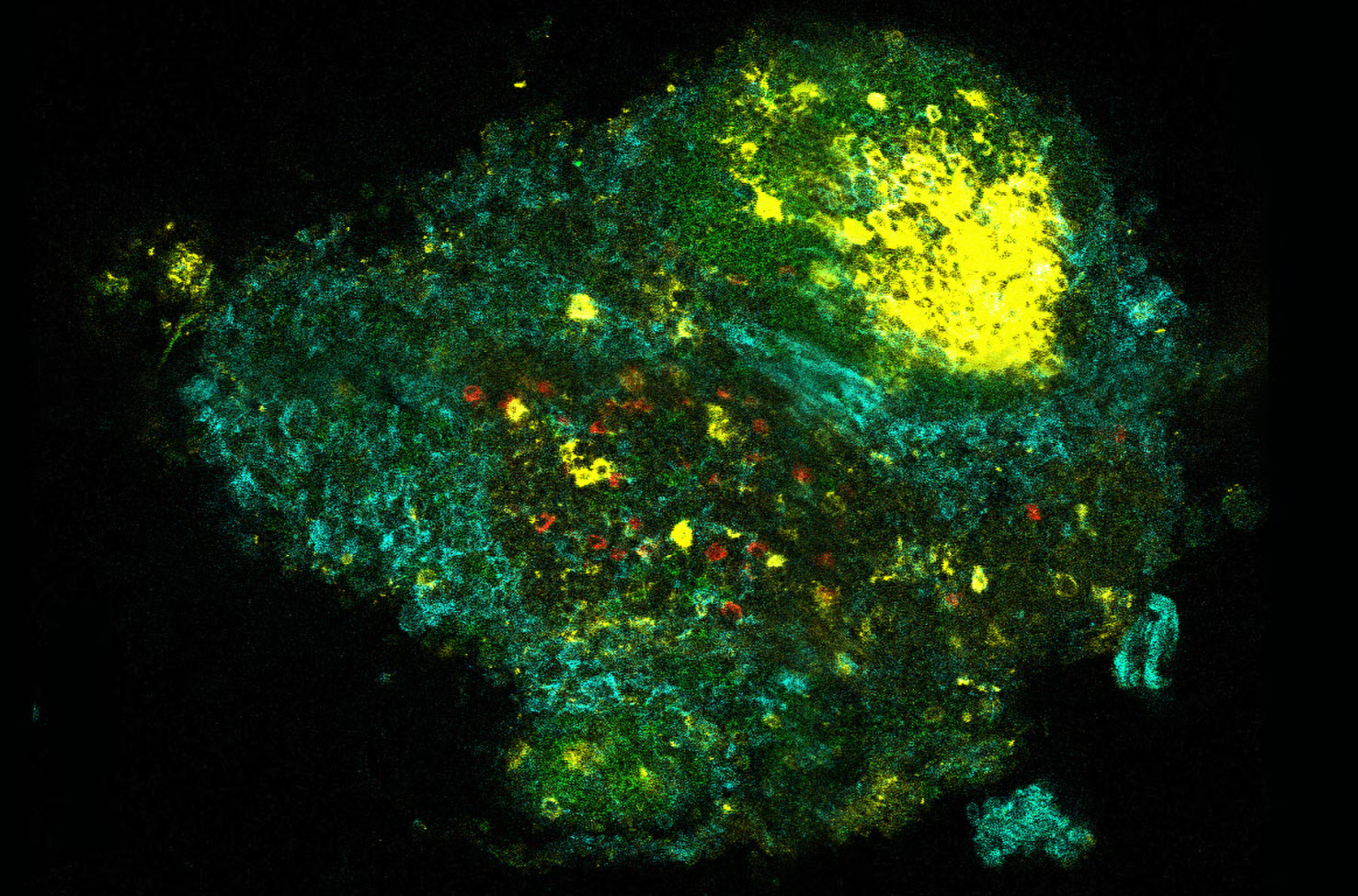
Allergies are caused by an overreaction of the part of the immune system that fights harmful microbes and neutralizes toxins. When the immune system mistakes harmless foods or irritants such as peanuts and pollen as threats, allergies develop.
In recent decades, allergies have been on the rise. Better hygiene and indoor lifestyles are limiting our exposure to allergens. Some researchers think this can make us more likely to react to allergens upon exposure to them.
A research team funded in part by NIH and led by Dr. Ruslan Medzhitov at Yale University School of Medicine studied mice to learn more about the links between environment and allergies. The results were reported in Nature on January 28, 2026.
The team compared the immune responses between mice grown in a “natural” environment rich in microbes and “lab” mice that were born and raised in sterile conditions.
To challenge their immune systems, the researchers exposed the mice to a new but common allergen, chicken egg protein. The animals had a second exposure a week later. After another week, the team tested for allergic reactions to the egg protein.
The lab mice clearly overreacted—they had severe allergic reactions. Blood samples revealed they had produced many of the egg-protein specific antibodies that cause allergic reactions. In contrast, natural mice had a much milder response.
The researchers explored aspects of the immune system to understand why natural mice didn’t form allergies to the egg protein. They found that natural mice had many versions of a type of antibody called immunoglobulin G, or IgG, that could bind to egg protein. IgG is thought to help create an “immune memory” for what the animal has encountered in the past, whether it be a harmful microbe, a toxin, or an allergen.
The researchers thought that these IgG antibodies might have been created by something in the environment that had structural similarities to egg protein. Even though the IgG antibodies hadn’t been created for egg protein, they could still recognize it.
The researchers next explored the possibility that natural mice were able to avoid allergies because their immune system had already learned to ignore allergens with similar structures. They fed mice a soy-rich diet so that their immune systems could detect and tolerate soy, a type of legume. The mice were then able to tolerate and avoid allergies to other types of legumes. Likewise, mice fed chicken egg protein were later also able to tolerate egg proteins from other birds.
Overall, this research suggests a strong relationship between the environment and the immune system. Broad immune memory created by exposure to a diverse environment can produce an immune system that protects against allergies.
“With industrialization and the use of antibiotics, sanitization, hygiene products, vaccinations, and so on, we’re increasingly protected against truly dangerous microbes, which is great,” Medzhitov says. “But the tradeoff is that our immune system is in this untrained, unprepared state, and otherwise harmless exposures trigger an allergic response.”
Further study is needed to understand the precise mechanisms that help protect against developing allergies. With further understanding, this knowledge could be used to develop strategies to prevent and treat allergies in children and adults.
—by Laura Manella, Ph.D.
Related Links
- Therapy boosts peanut tolerance in allergic kids
- Providing lasting protection from peanut allergy
- Drug cuts risk of allergic reactions to peanuts and other foods
- Understanding food allergies: How to prevent peanut allergy and more
- Allergens
- Food allergy
References
Environmentally driven immune imprinting protects against allergy. Erickson S, Lauring B, Cullen J, Medzhitov R. Nature. 2026 Jan 28. doi: 10.1038/s41586-025-10001-5. Epub ahead of print. Erratum in: Nature. 2026 Feb 6. doi: 10.1038/s41586-026-10236-w. PMID: 41606323.
Funding
NIH’s National Institute of Allergy and Infectious Diseases (NIAID), National Institute of Diabetes and Digestive and Kidney Diseases (NIDDK), National Cancer Institute (NCI), Office of the Director (OD); Howard Hughes Medical Institute; Food Allergy Science Initiative; Blavatnik Family Foundation; Colton Center for Autoimmunity.