Scientists identify proteins tied to food tolerance
March 31, 2026
Scientists identify proteins tied to food tolerance
At a Glance
- Scientists identified parts of proteins that interact with immune cells and allow mice to tolerate certain foods rather than have an allergic reaction.
- The findings enhance our current understanding of food tolerance and may lead to new therapies for people with food allergies.
When someone has a food allergy, the body’s immune system reacts to the food as if it’s a threat. This can lead to symptoms like an itchy throat, hives, or stomach cramps. In severe cases, it can lead to a life-threatening reaction called anaphylaxis, which can involve trouble breathing or a dangerous drop in blood pressure.
Scientists have been studying what causes allergic reactions to certain foods. But it’s not yet clear how the immune system determines that certain foods are safe, so that the body doesn’t react against them. This protective process is called oral tolerance.
A type of immune cell, called regulatory T (Treg) cells, can interact with proteins in foods to induce oral tolerance and prevent food allergy. An NIH-funded research team, led by Dr. Jamie Blum of the Salk Institute and Drs. Kazuki Nagashima and Elizabeth Sattely of Stanford, aimed to identify proteins that trigger oral tolerance. The results were published March 6, 2026, in Science Immunology.
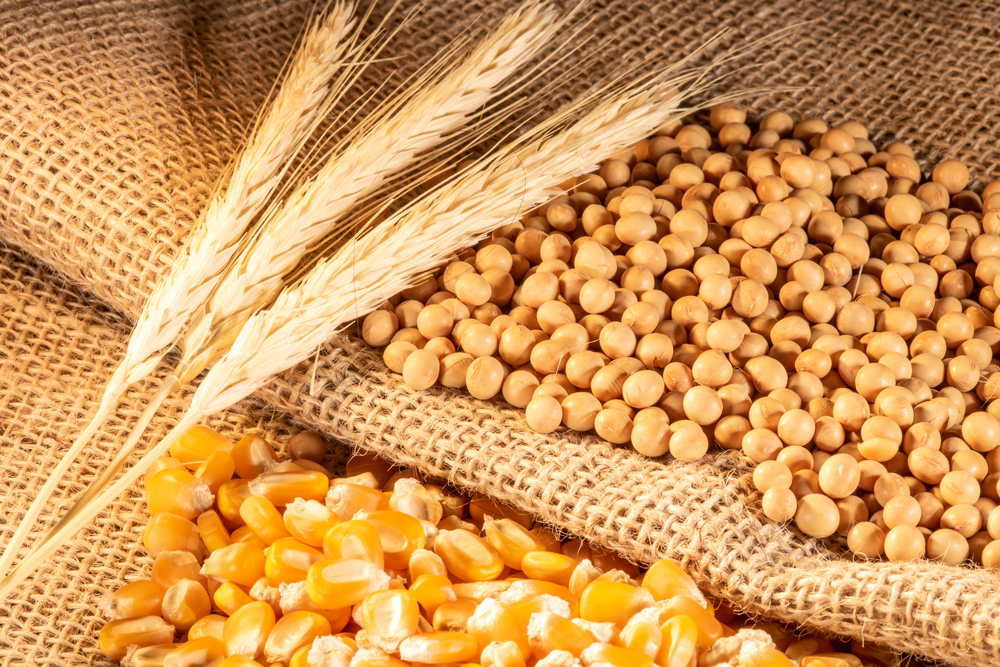
The researchers began by characterizing the T cell receptors on Treg cells that were isolated from the guts of mice fed a normal chow diet. T cell receptors on the surface of Treg cells act as sensors that help promote tolerance to safe agents such as food. The team then looked at which components of mouse chow were recognized by these receptors. Seven unique receptors responded to chow components—five to corn and one each to wheat and soybean. Finally, the team narrowed down the specific sites, called epitopes, on each component that the receptors recognized.
All the epitopes came from seed storage proteins. These are proteins in seeds that serve as a source of essential nutrients for the developing plant during germination. The most frequently recognized epitope came from the corn protein alpha-zein. The Treg cells that recognized alpha-zein first appeared at four weeks of age, about the same time that weaning occurred. This suggests that the Treg cells arose after first eating these foods. The alpha-zein-specific Treg cells then suppressed other T cell responses to alpha-zein.
Treg cell responses to seed storage proteins may serve as a common pathway resulting in oral tolerance. Identifying this pathway could one day lead to Treg-based treatments for food allergies.
“For a long time, we thought food tolerance simply meant the immune system ignoring the foods we eat—that is to say that tolerance is the absence of allergy,” Sattely says. “But we now know that tolerance is active and adaptive behavior. Certain cells in our intestines survey the foods we eat, looking for specific proteins. When they find them, the cells signal the immune system that the food is safe.”
—by Sarah Mann
Related Links
- How the environment can shape future allergies
- Therapy boosts peanut tolerance in allergic kids
- Preventing severe allergic reactions with nanoparticles
- Drug cuts risk of allergic reactions to peanuts and other foods
- Oral immunotherapy for peanut allergy in young children
- Understanding food allergies
- Food allergy
References
Identification and characterization of dietary antigens in oral tolerance. Blum JE, Kong R, Schulman EA, Chen FM, Upadhyay R, Romero-Meza G, Littman DR, Fischbach MA, Nagashima K, Sattely ES. Sci Immunol. 2026 Mar 6;11(117):eaeb4684. doi: 10.1126/sciimmunol.aeb4684. PMID: 41790933.
Funding
NIH’s National Institute of Allergy and Infectious Diseases (NIAID), and National Cancer Institute (NCI); National Science Foundation; Howard Hughes Medical Institute; Life Sciences Research Foundation; Rosenfield and Glassman Foundation; Ono Pharma Foundation; Stanford Bio-X; Laura and Isaac Perlmutter Cancer Center.