tRNA treatment may help restore cystic fibrosis proteins
September 29, 2026
tRNA treatment may help restore cystic fibrosis proteins
At a Glance
- Lipid nanoparticles that deliver engineered transfer RNA restored functional proteins in cell and animal models of cystic fibrosis.
- This strategy may represent a potential therapeutic approach for cystic fibrosis and other genetic diseases caused by nonsense mutations.
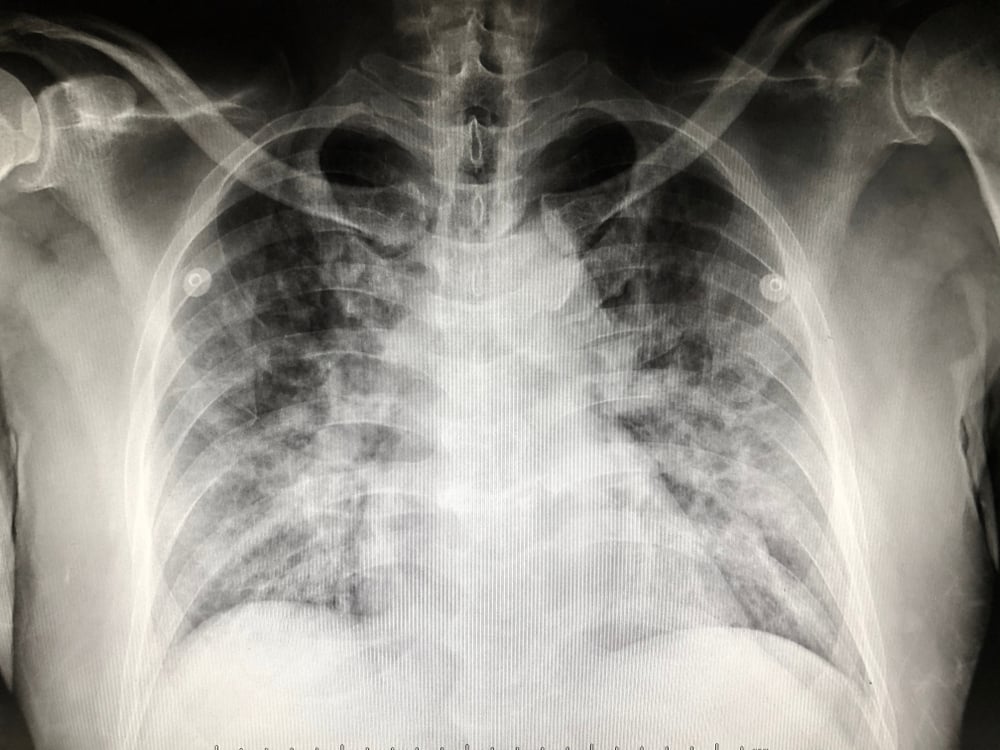
Cystic fibrosis is a genetic disorder that affects nearly 40,000 people in the U.S. Cells lining the airways and other organs in people with the disease cannot properly move salt and water, so thick mucus clogs the airways and gut. This can lead to problems with breathing, digestion, and respiratory infections. The disorder is caused by a defect or mutation in the cystic fibrosis transmembrane conductance regulator (CFTR) gene.
Nonsense mutations are responsible for about 10% of cystic fibrosis cases. These mutations cause a change in DNA sequence that creates a stop signal rather than encoding an amino acid, a building block of proteins. This prevents production of a full-length functional protein.
People with nonsense mutations do not benefit from current cystic fibrosis treatments. Strategies using suppressor transfer RNA (sup-tRNA) may hold promise. These are engineered to bypass faulty stop signals and allow production of a full-length protein. But challenges remain due to their low efficacy, immune activation, and delivery challenges.
An NIH-funded research team led by Drs. Bowen Li and Haissi Cui at the University of Toronto sought to overcome these limitations. They evaluated the benefits of modifying sup-tRNA to make them more stable and active. They also designed a nonviral delivery method in animal and human cell models. The results were published in Science on August 27, 2026.
The researchers designed a sup-tRNA that could recognize a premature stop signal and insert the intended amino acid at that point. They then tested the effects of adding various chemical groups to the sup-tRNA. They identified a single modification that made the sup-tRNA more active, last longer, and trigger less immune activation.
The team also designed a lipid nanoparticle carrier to deliver the modified sup-tRNA cargo to the affected cells. To find the right lipid particle candidates, they used advanced techniques to synthesize about 1,000 different lipids and then screen them. The researchers homed in on a specific formula for lipid nanoparticles that was best at delivering sup-tRNA into cells.
In a mouse model, inhaling the formulation delivered the sup-tRNA cargo to the lung’s epithelial cells. There, it increased production of full-length CFTR protein.
The team also tested the sup-tRNA in lab-grown models of human intestinal tissue called organoids. The organoids were derived from a person with multiple cystic fibrosis mutations, including two nonsense mutations. Combining the sup-tRNA with the approved treatment Trikafta significantly improved CFTR protein function. Neither treatment improved CFTR function on its own in this model.
These preclinical findings suggest that sup-tRNAs might be used to treat cystic fibrosis caused by nonsense mutations. This approach helped cells read through premature stop signals during protein production without altering the genome. More research is needed to establish its safety and effectiveness in humans.
“Our long-term goal is to develop tRNA medicines that recognize these shared stop signals, so that one therapeutic strategy could potentially be applied across many different genetic diseases,” Li says.
—by Christine Lehmann
Related Links
- "Sweat sticker" for diagnosing cystic fibrosis
- Replacing function of impaired cystic fibrosis protein
- Cystic fibrosis
- About cystic fibrosis
References
Nonviral delivery of chemically modified tRNA rescues nonsense mutations in cystic fibrosis. Chen J, Zhou M, Dong S, Gong F, Tennakoon R, Seto BY, Chen ZR, Zhou ZP, Pan J, Xu Y, Luozhong S, Macarios CM, Tijaro-Bulla S, Gonska T, Hu J, Cui H, Li B. Science. 2026 Aug 27;393(6814):eaeb0054. doi: 10.1126/science.aeb0054. PMID: 42658930.
Funding
NIH’s National Heart, Lung, and Blood Institute (NHLBI).